

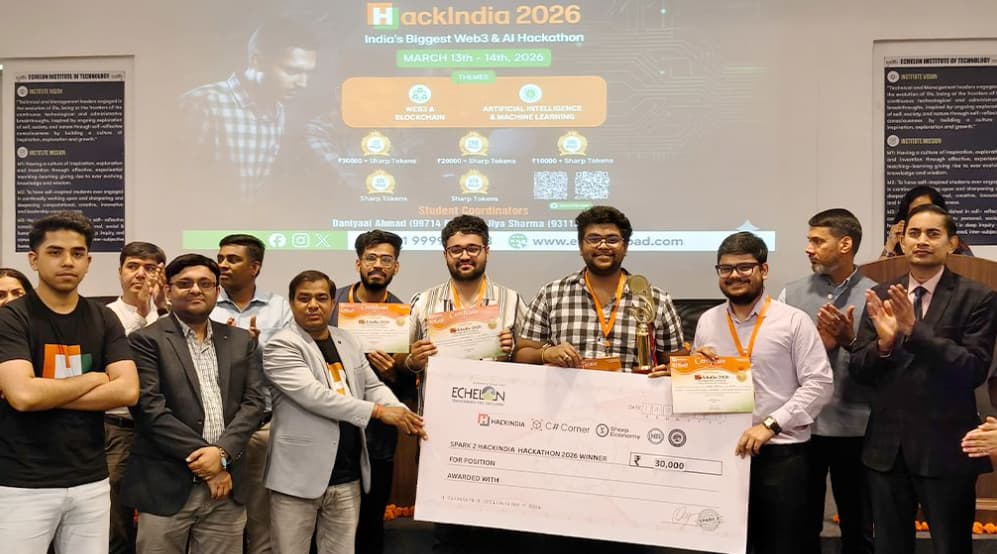
The HackIndia Spark-2 Hackathon, hosted at Echelon Institute of Technology, Faridabad, brought together hundreds of student developers for an intense 36-hour innovation sprint that transformed ideas into real working products.
From packed registration desks to overnight coding sessions and final project pitches, the event showcased the growing momentum of HackIndia’s nationwide developer ecosystem.
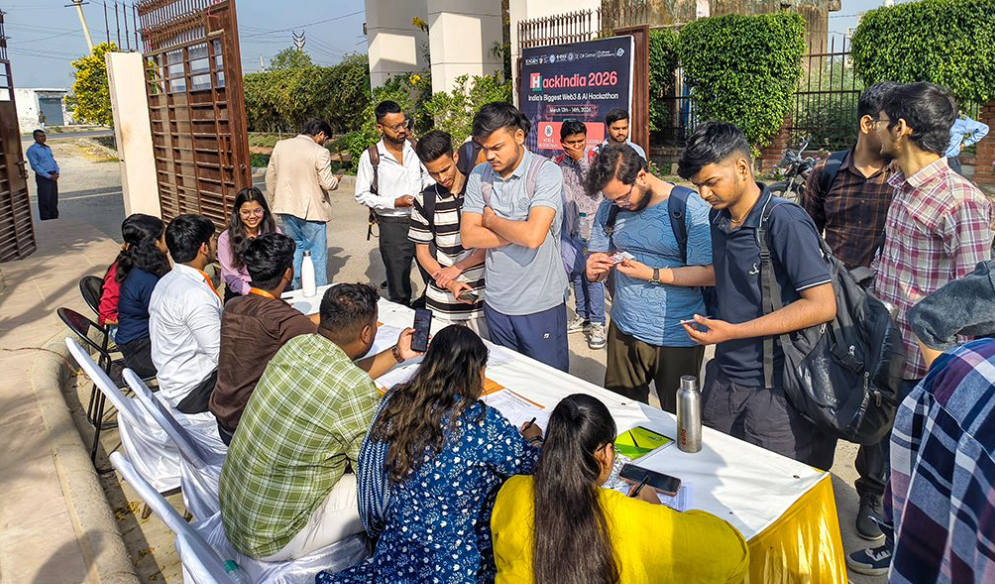
Students from multiple universities participated, collaborating, experimenting, and building technology solutions across AI, Web3, and software development.
The event ultimately delivered not only innovative projects but also strong platform adoption, with 700+ developers signing up on the Base44 platform during the hackathon.
A Grand Opening: Setting the Tone for Innovation
The hackathon began with enthusiastic participation as students gathered early in the morning for registrations. The campus quickly filled with the excitement of teams discussing ideas and planning their build strategies.
The formal opening ceremony commenced with the traditional lamp lighting ceremony, symbolizing the beginning of a new journey of innovation and creativity.
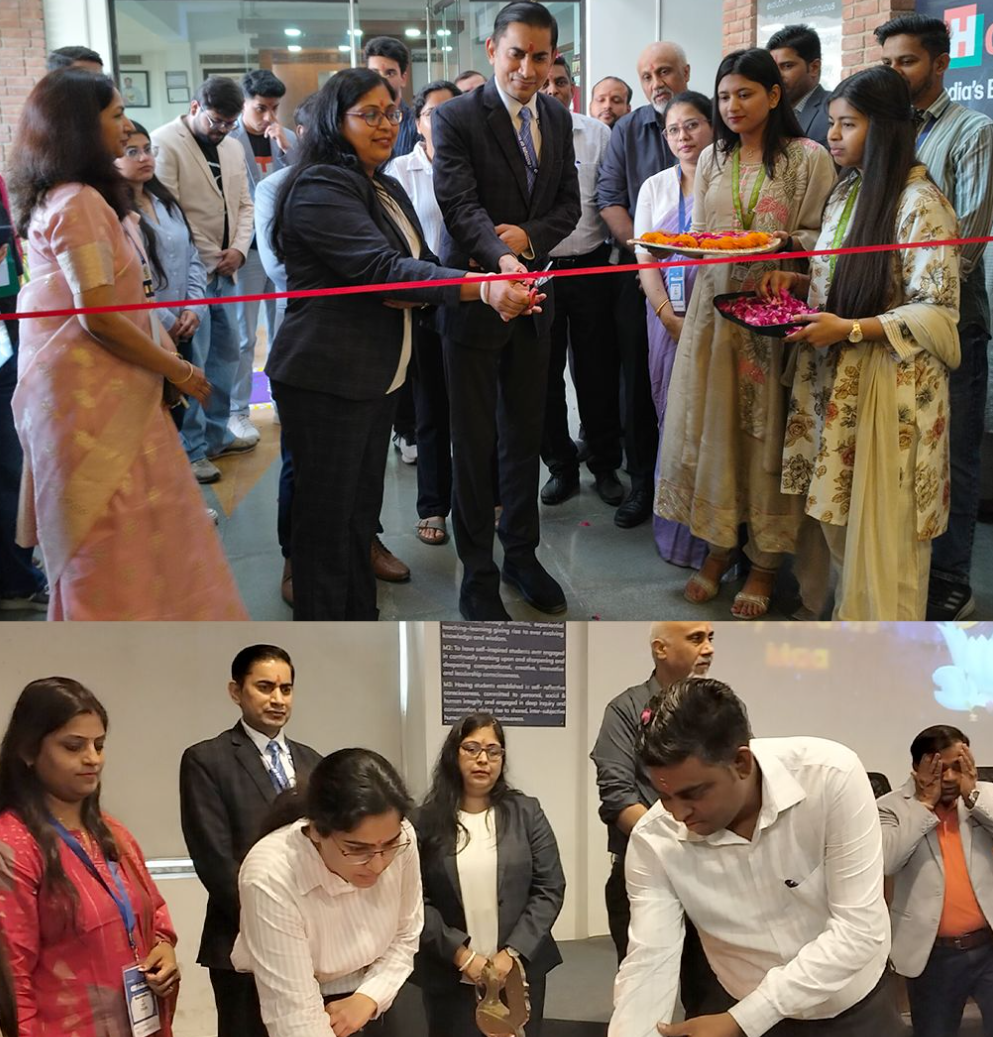
The Director of Echelon Institute of Technology welcomed the participants and spoke about the importance of innovation-driven education. He encouraged students to use the hackathon as a platform to experiment, collaborate, and solve real-world challenges.
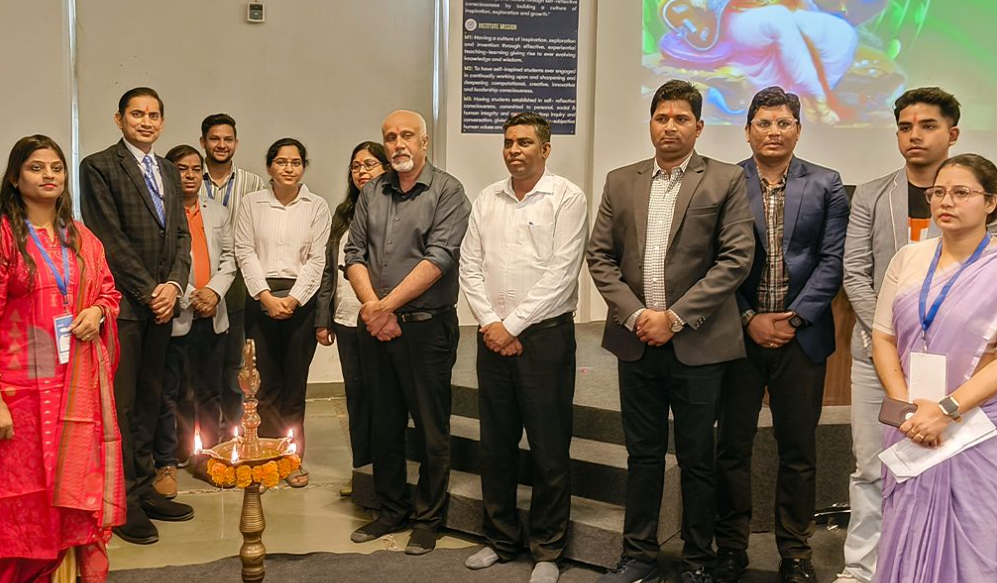
HackIndia’s Vision for the Next Generation of Builders
Following the opening ceremony, Avneesh Aryan, Director of HackIndia, addressed the audience and shared the broader vision behind the HackIndia ecosystem.
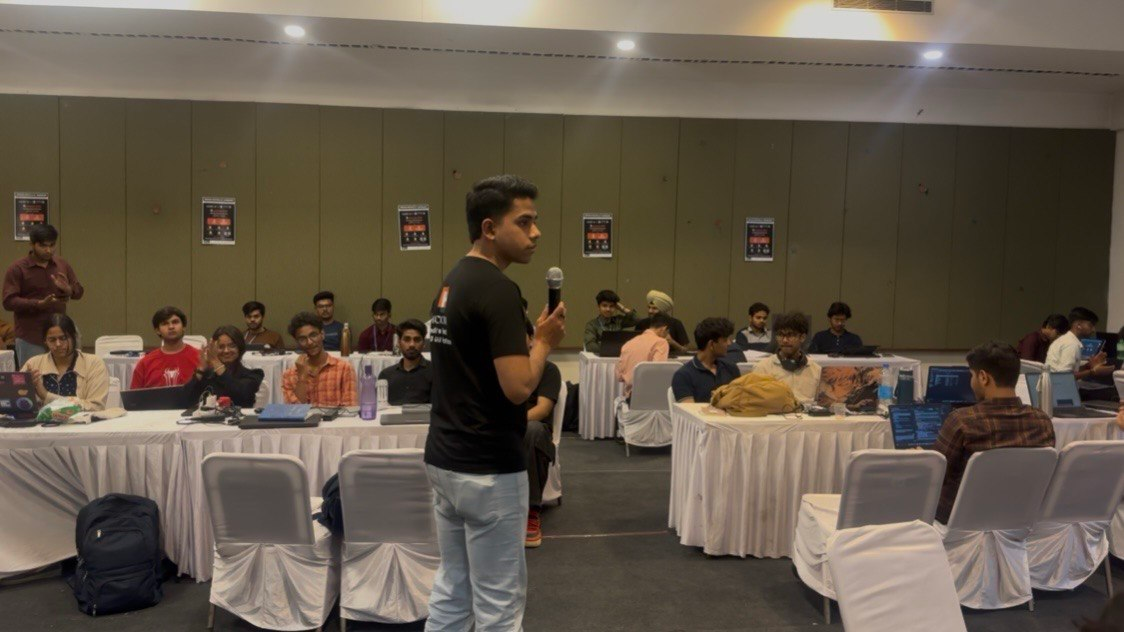
Speaking to the Gen Z developers present at the event, he emphasized that hackathons are not just competitions but launchpads for ideas, products, and future startups.
He highlighted how HackIndia is building a nationwide platform where students can explore emerging technologies, build innovative solutions, and connect with the broader developer ecosystem.
The message energized the room.
Within minutes, laptops opened and the 36-hour build sprint officially began.
The 36-Hour Hackathon: Builders in Action
As the hacking began, classrooms and labs transformed into high-energy development spaces.
Teams started building solutions ranging from AI-powered tools and data platforms to Web3 applications and productivity solutions.
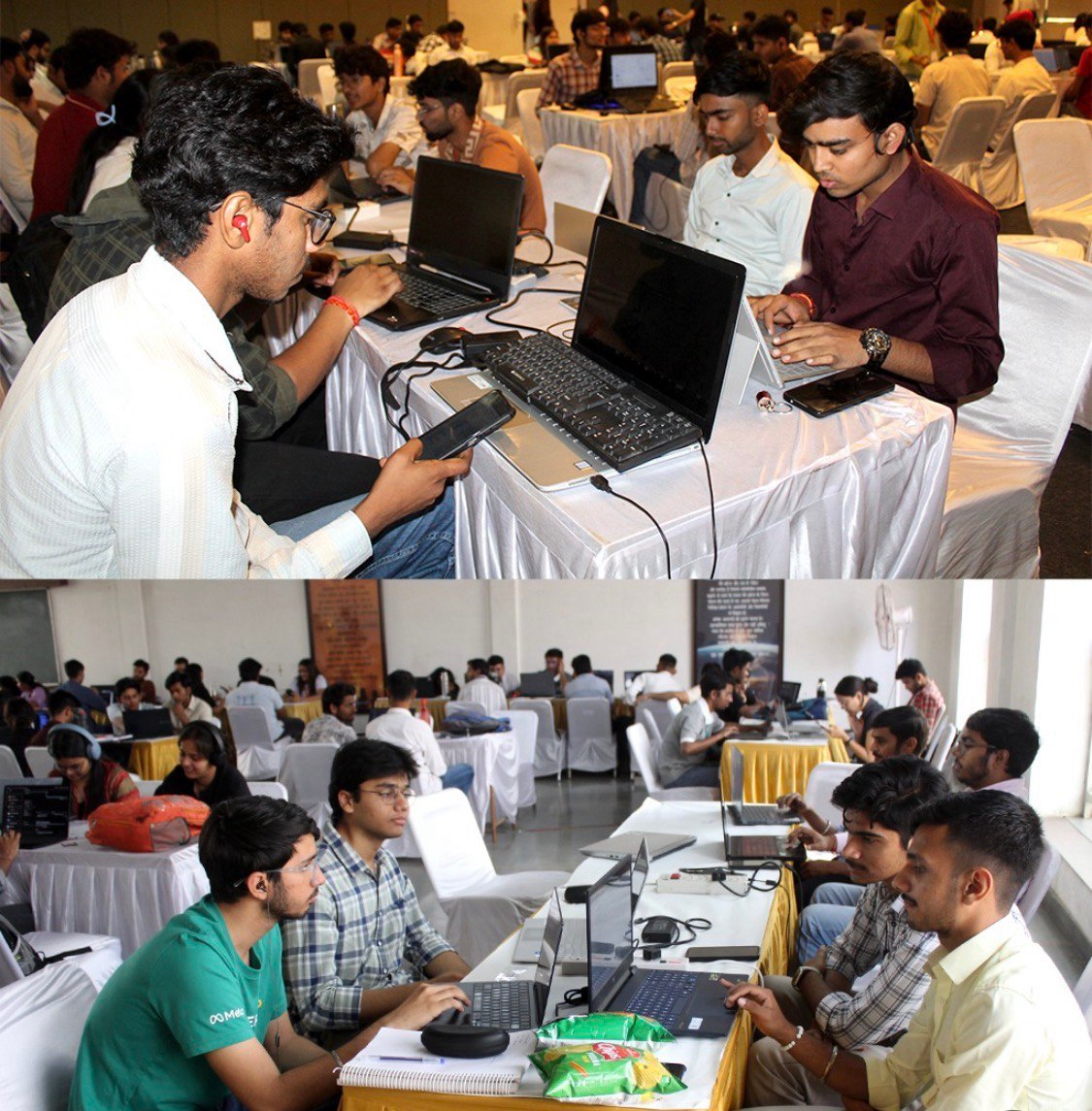
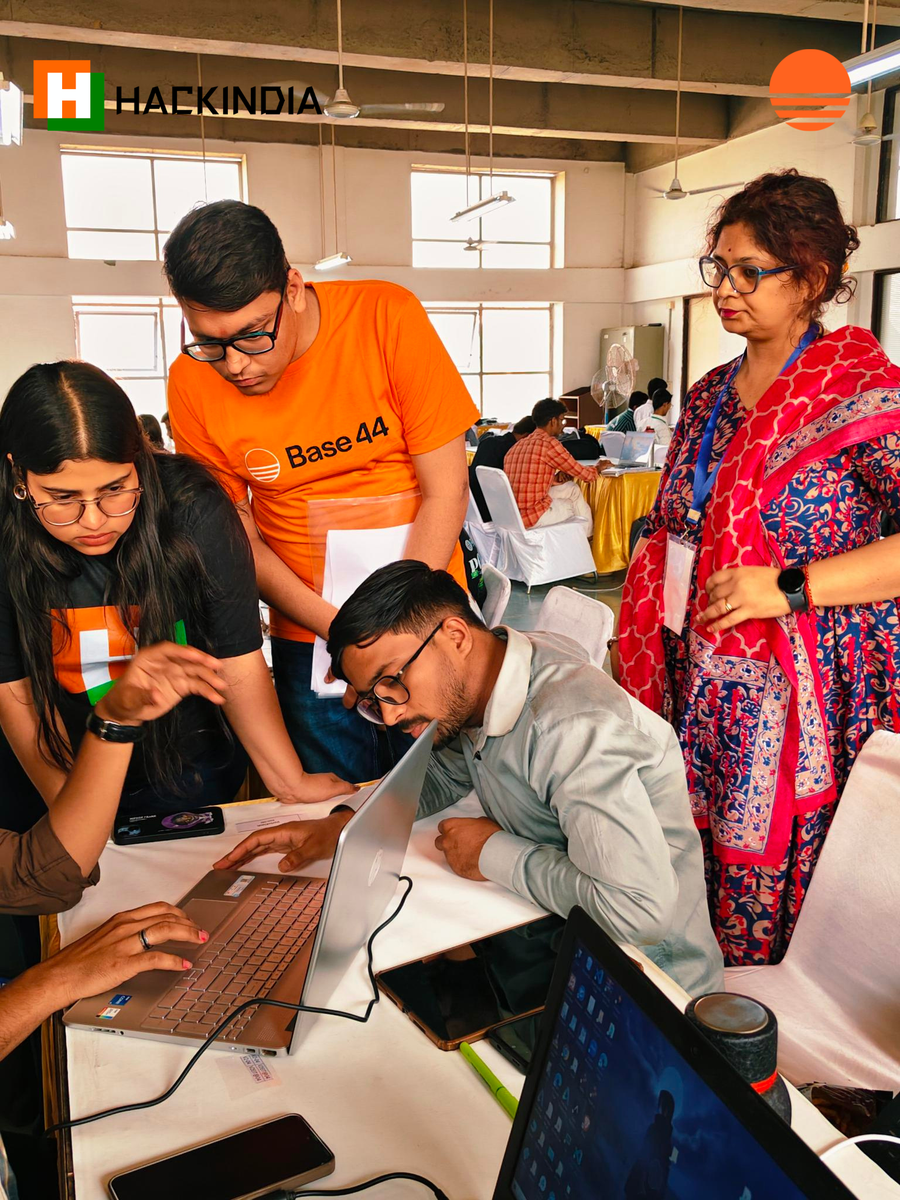
Whiteboards filled with architecture diagrams. Laptops displayed lines of code. Teams debated ideas, tested features, and debugged problems in real time.
The hackathon environment reflected the spirit of innovation that HackIndia promotes: learning through building.
Mentor Round One: Guiding the Builders
During the first mentor round, industry mentors interacted with teams to understand their project ideas and provide guidance.
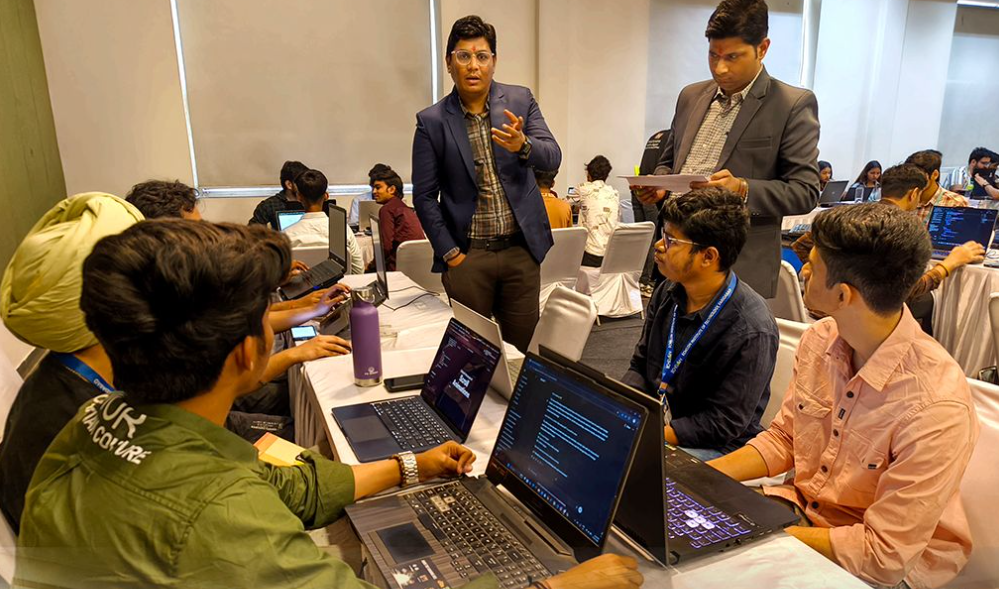
Mentors offered feedback on technical architecture, scalability, and real-world usability of the projects.
Students used this opportunity to refine their concepts, adjust their development approach, and strengthen the direction of their prototypes.
The mentor interactions helped transform early ideas into more structured and impactful solutions.
The Overnight Build Marathon
As evening turned into night, the hackathon reached its most intense stage.
Teams continued working deep into the night, collaborating, debugging, and experimenting with new features.
Some teams refined machine learning models while others worked on smart contract integrations, backend systems, and user interfaces.
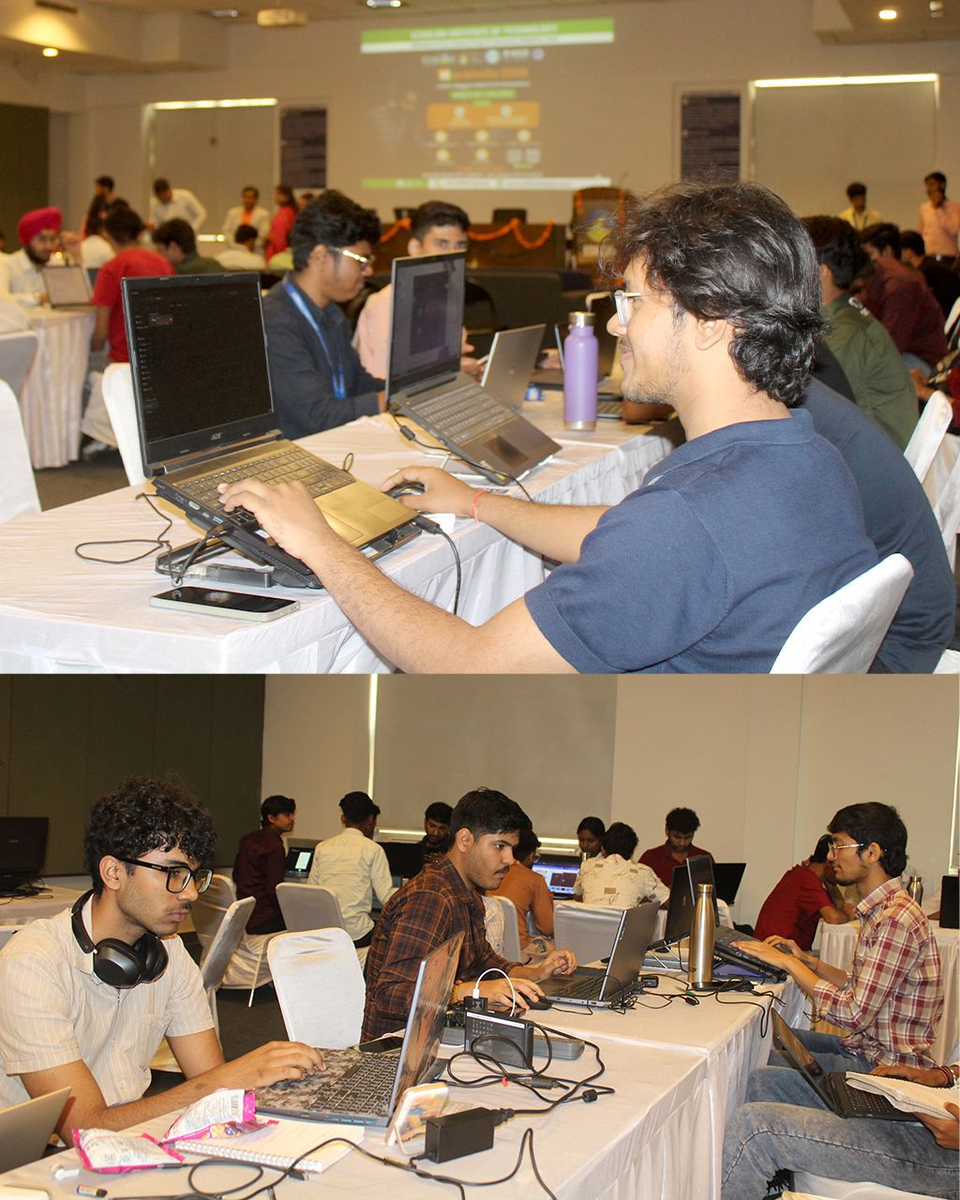
Despite the long hours, the atmosphere remained energetic and focused.
The determination of the participants reflected the passion of India’s emerging developer community.
Mentor Round Two: Final Improvements
The second mentor round provided teams with an opportunity to polish their projects before the final presentations.
Mentors helped participants improve the clarity of their product demonstrations, refine technical implementations, and prepare compelling pitches.
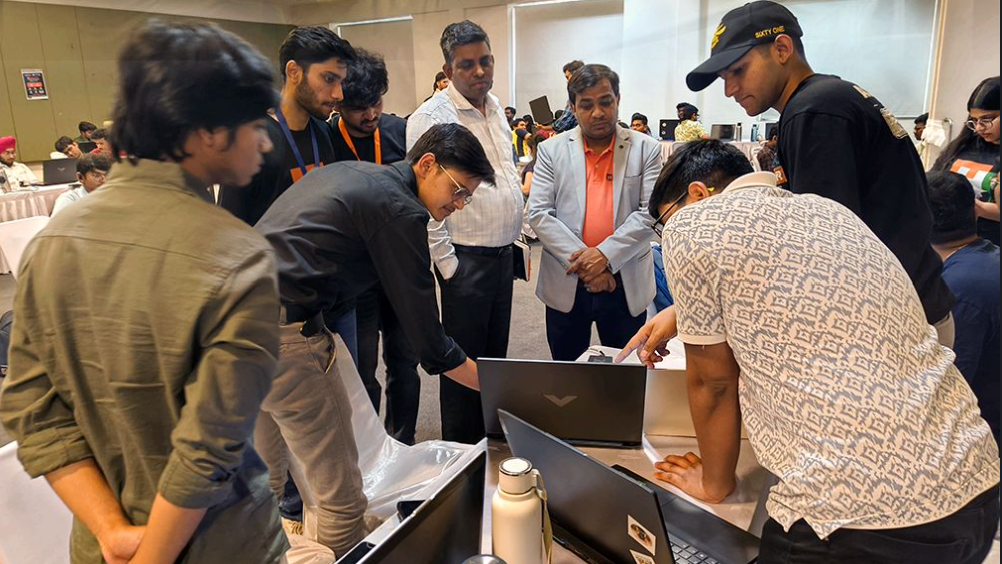
Teams incorporated last-minute improvements, ensuring that their projects were ready for evaluation.
Final Pitching Round: Showcasing Innovation
After 36 hours of continuous development, teams presented their projects to the judging panel during the final pitching round.
Each team demonstrated their product, explained the problem they were solving, and highlighted the technology powering their solution.
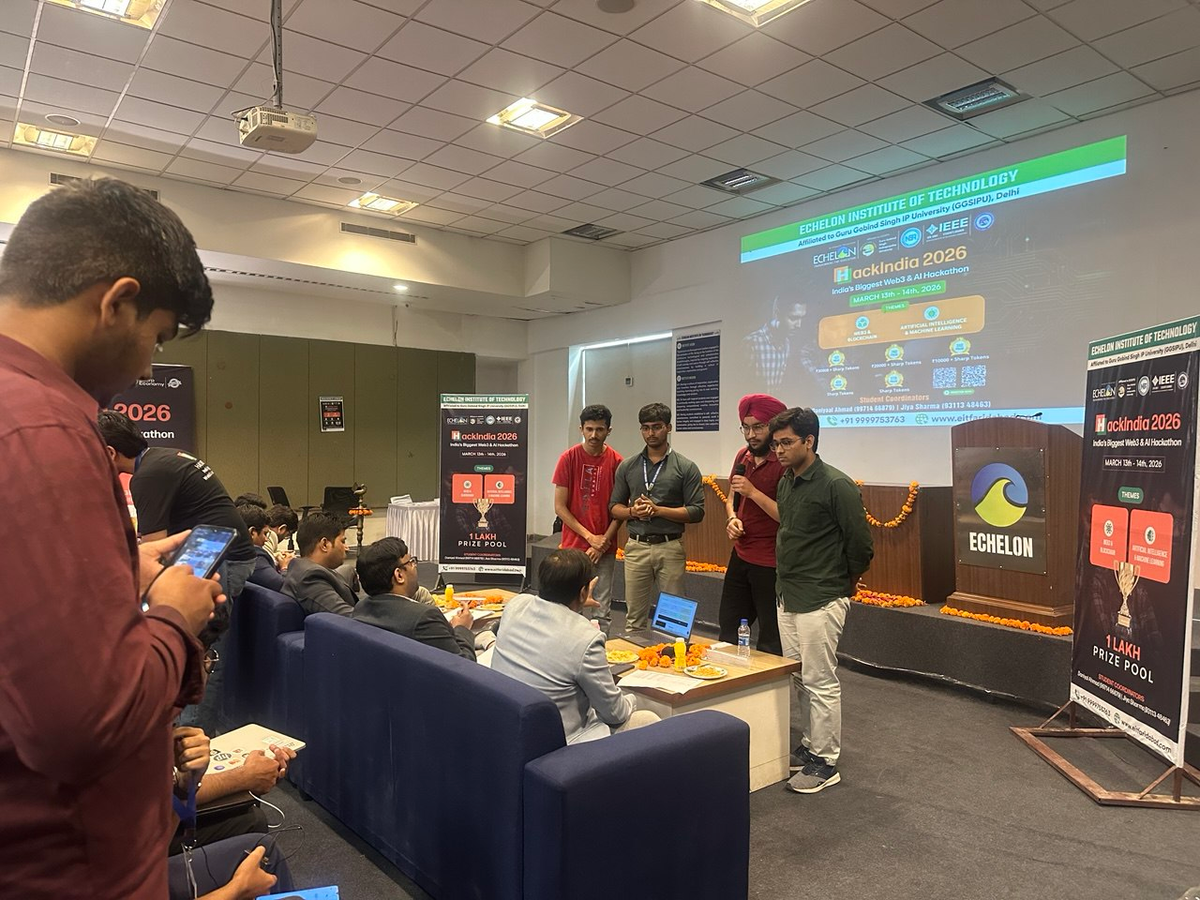
Judges evaluated the projects based on:
Innovation
Technical execution
Real-world impact
Scalability
Many teams showcased solutions with significant potential beyond the hackathon itself.
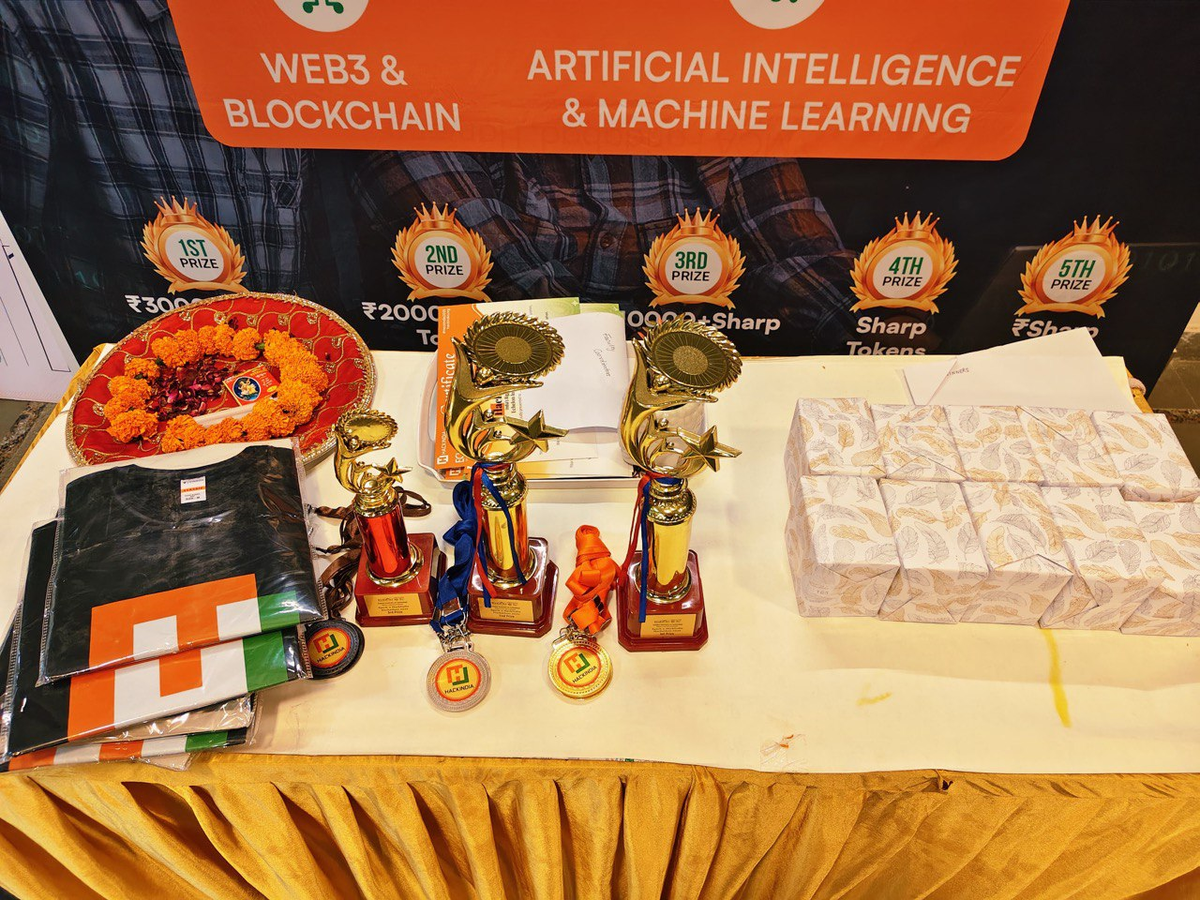
Winners of HackIndia Spark-2
After 36 hours of intense building, collaboration, and problem solving, the final pitching round brought forward some exceptional projects. Teams presented their working prototypes to the judging panel, showcasing solutions built across AI, Web3, and real-world problem statements.
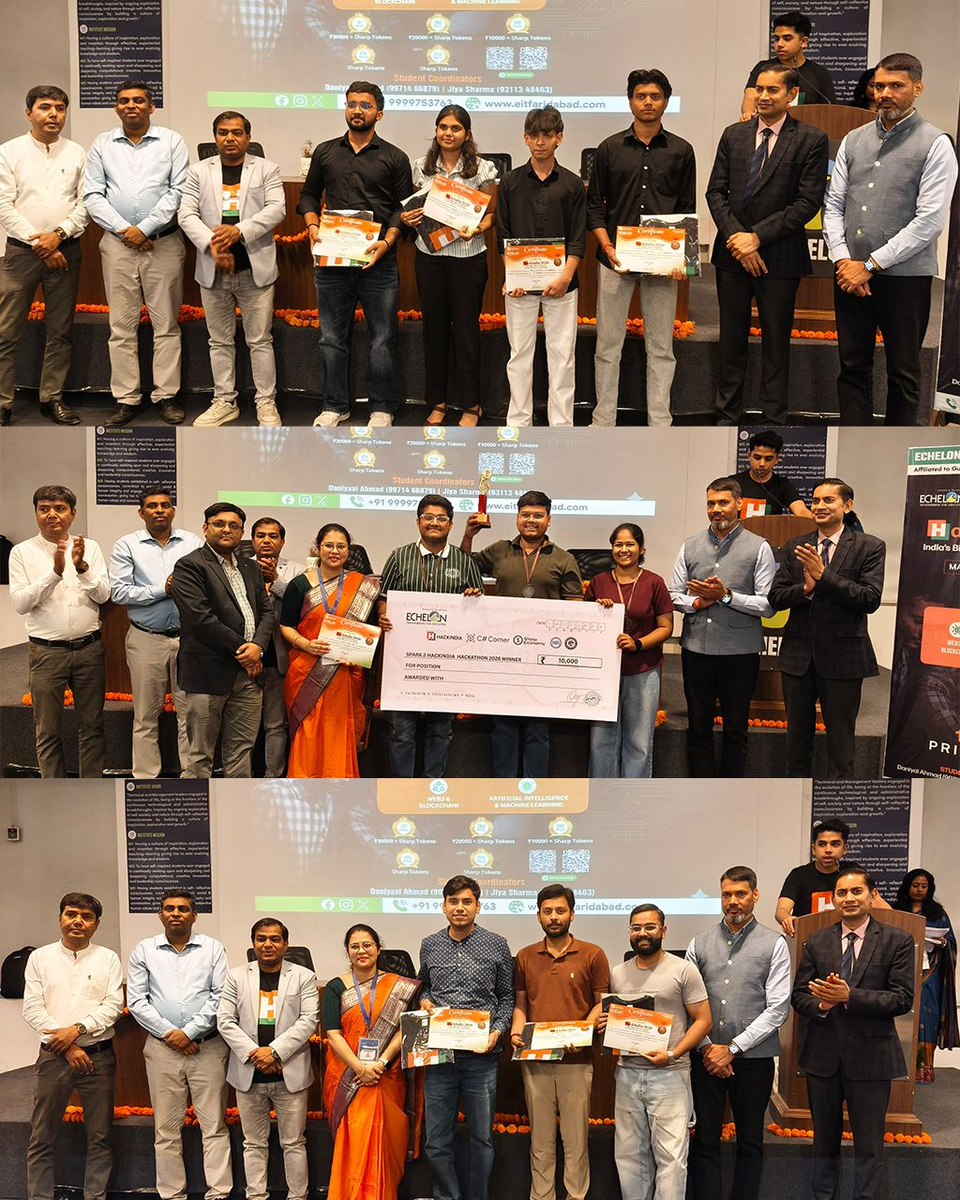
After careful evaluation based on innovation, technical execution, practicality, and overall impact, the judges announced the top teams of HackIndia Spark-2. The winning teams stood out for their strong technical implementation, clarity of vision, and the ability to translate ideas into functional products within the limited hackathon timeframe.
Their achievements highlighted the depth of talent and creativity present among the participating student developers, making HackIndia Spark-2 a powerful showcase of India’s next generation of builders.
Base44 Adoption: 700+ Developers Onboarded
One of the most notable outcomes of HackIndia Spark-2 was the strong adoption of Base44, a platform introduced to participants during the hackathon.
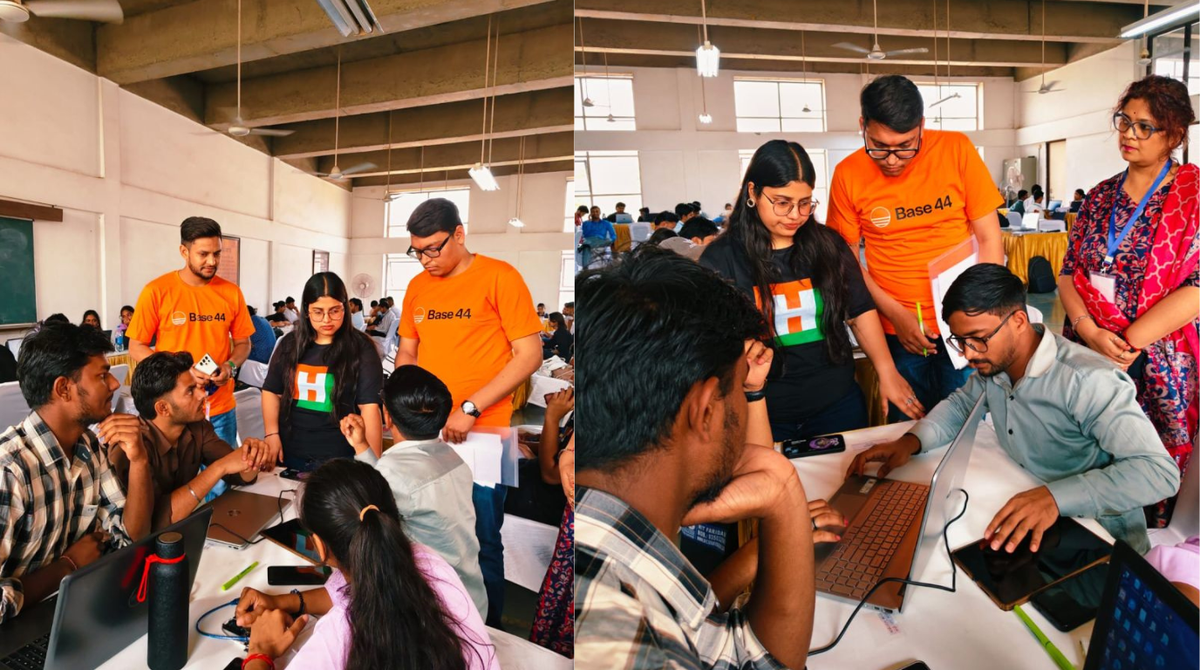
Throughout the event, teams explored and used the platform while building their projects.
By the end of the hackathon, 744 developers had registered on Base44, demonstrating the power of integrating developer tools directly into the hackathon ecosystem.
This adoption milestone reflects how HackIndia events serve as effective platforms for connecting emerging technologies with highly motivated student developers.
A Growing Developer Ecosystem
HackIndia continues to grow as a national platform for student innovation, bringing together developers from universities across India to build and experiment with emerging technologies.
The Spark series hackathons serve as a foundation for discovering talented builders and supporting the next generation of developers and entrepreneurs.
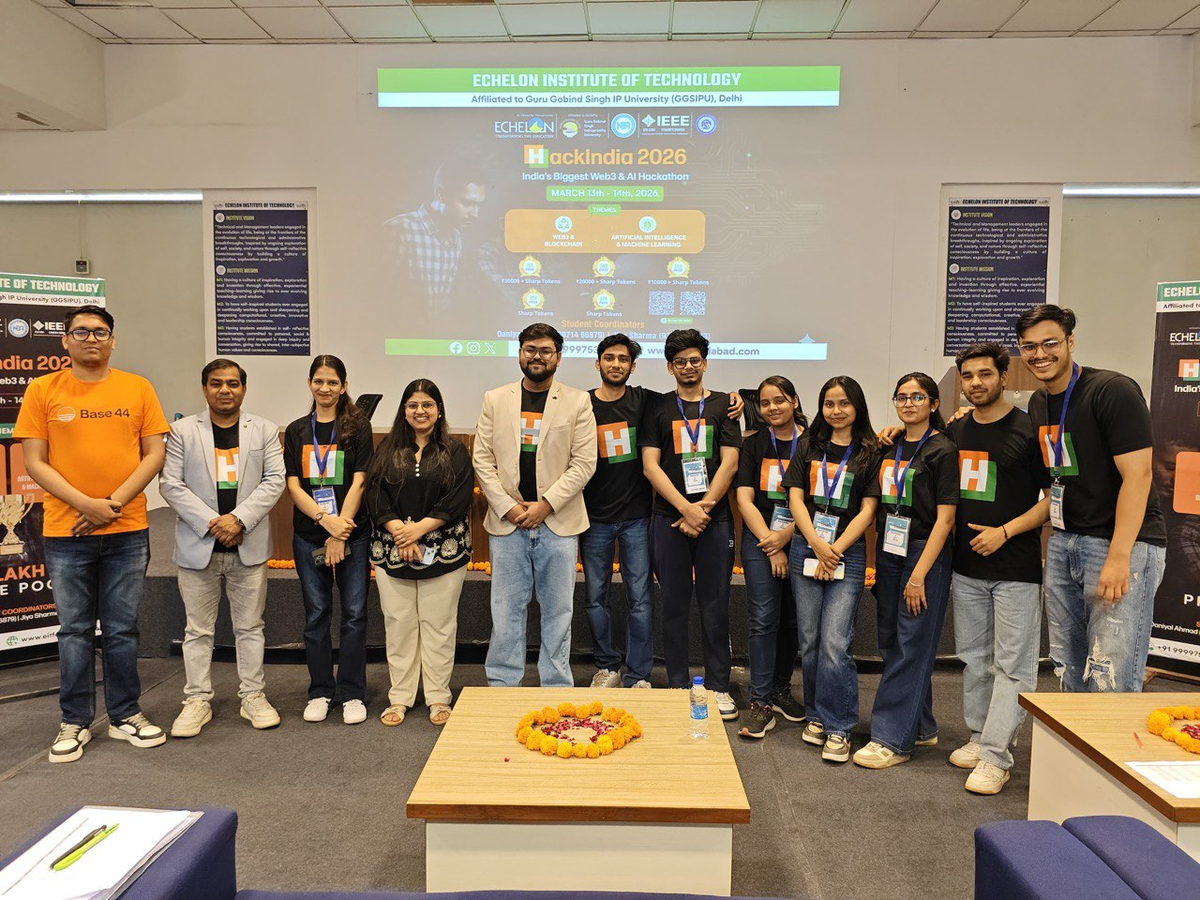
With each event, the HackIndia ecosystem expands, enabling more students to participate in real-world product development.
Gratitude to Our Sponsors
HackIndia Spark-2 would not have been possible without the support of ecosystem partners who believe in empowering young builders.
A special thanks goes to Base44 for supporting the hackathon and enabling developers to experiment with their platform during the event.
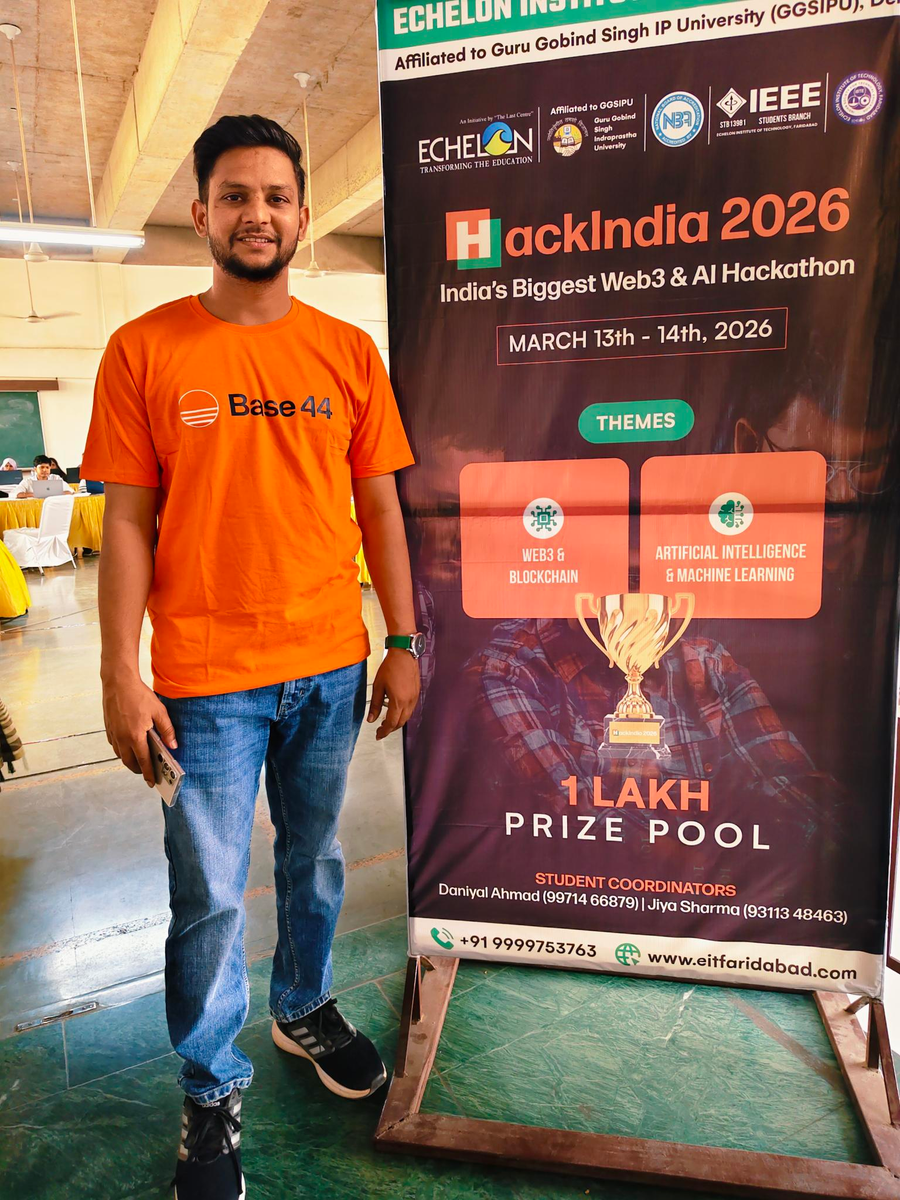
Their support played a key role in encouraging participants to explore new technologies and create innovative solutions.
The Journey Continues
HackIndia Spark-2 at Echelon Institute of Technology was not just another hackathon.
It was a demonstration of what happens when ambitious student developers, supportive mentors, and forward-thinking platforms come together.
As the HackIndia series continues across campuses, the momentum is only increasing.
And if Spark-2 proved anything, it is this:
India’s next generation of builders is already here.